Key Takeaways
- Use depreciation to lower taxes without affecting property value. Claim depreciation annually to reduce taxable income while tracking performance based on cash flow and appreciation.
- Turn improvements into tax and rent advantages. Capital upgrades increase property value, support higher rents, and create additional depreciation deductions.
- Track depreciation correctly to avoid lost savings. Separate land from building value, document improvements, and maintain clean records to prevent tax errors.
Owning a rental property is not just about collecting monthly rent. For landlords, understanding how depreciation works is essential to protecting cash flow, planning for taxes, and making smarter decisions about property value.
Depreciation often feels abstract or overly technical, but in practice, it plays a very real role in how profitable a rental property can be year after year.
With this guide from House in Order Property Management, you’ll learn how depreciation interacts with property value in this market and how it can help landlords reduce tax liability while still positioning their properties for appreciation.
Understanding Depreciation in Simple Terms
Depreciation is a concept that allows rental property owners to recover the cost of purchasing and improving an income-producing property over time. The Internal Revenue Service (IRS), assumes that residential rental buildings wear out gradually, even if the market value of the property increases.
For residential rental properties, depreciation is typically spread over 27.5 years. This does not mean your property is actually losing value in the market. It simply means the tax code allows you to deduct a portion of the building’s cost each year as an expense.
It is important to understand that land itself is not depreciable. When you purchase a rental property, the total purchase price must be allocated between land and building. Only the building portion is depreciated. This allocation plays a major role in how much depreciation you can claim annually.
How Depreciation Reduces Taxable Rental Income
One of the biggest benefits of depreciation is its impact on taxable income. Rental income is taxed, but depreciation reduces the amount of income you report, even though it does not reduce the cash you receive.
For example, a landlord may collect rent that covers the mortgage, maintenance, insurance, and other operating costs. After accounting for those expenses, depreciation can further reduce taxable income, sometimes significantly. In some cases, landlords may show little to no taxable rental income despite having positive cash flow.
This is especially valuable in higher-demand markets, where rental rates can support solid income but property prices also mean larger depreciation deductions.
Depreciation vs. Market Value
A common misconception is that depreciation lowers a property’s market value. In reality, depreciation for tax purposes and market value are two completely different measurements.

Market value is driven by factors such as location, demand, condition, rental performance, and broader economic trends. Depreciation is an accounting method based on original cost, not current value.
In Asheville, rental properties often appreciate due to limited inventory, strong tourism, and lifestyle-driven migration. A property can be depreciating on paper while simultaneously increasing in market value year after year. Understanding this distinction helps landlords avoid confusing tax deductions with actual financial performance.
The Role of Improvements and Capital Expenses
Not all property expenses are treated the same way when it comes to depreciation. Routine repairs such as fixing a leak or repainting a room are typically expensed in the year they occur. Larger improvements that extend the life of the property or add curb appeal must usually be capitalized and depreciated over time.
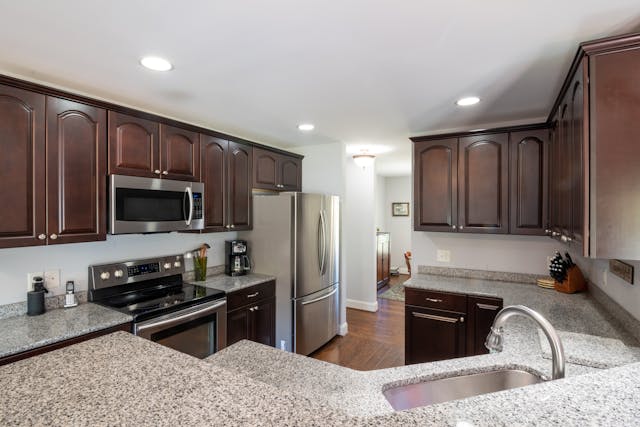
Examples include roof replacements, major HVAC upgrades, structural renovations, and full kitchen or bathroom remodels. These improvements increase the property’s basis and create additional depreciation deductions over their own depreciation schedules.
Renovations are common as owners update older homes to meet modern renter expectations. While improvements require upfront capital, they often increase rental income, enhance tenant retention, and create new depreciation opportunities that improve tax efficiency.
Depreciation and Property Sales
Depreciation becomes especially important when a rental property is sold. Over time, depreciation reduces the property’s adjusted cost basis. When the property is sold, the difference between the sale price and the adjusted basis helps determine taxable gain.

A portion of that gain may be subject to depreciation recapture, which is taxed differently than standard capital gains. This does not mean depreciation is a bad strategy. In most cases, the tax savings enjoyed over years of ownership outweigh the recapture owed at sale.
For landlords in Asheville, planning ahead is key. Understanding how depreciation affects future sale proceeds allows owners to make informed decisions about holding, refinancing, or selling at the right time.
Depreciation and Long-Term Property Value Strategy
Depreciation should be viewed as part of a broader investment strategy, not just a tax deduction. When used properly, it supports long-term property value rather than undermining it.
Landlords who reinvest depreciation savings into maintenance and improvements often preserve or enhance their property’s market position. Well-maintained properties command higher rents, attract better tenants, and experience less turnover.
Properties that are thoughtfully maintained tend to outperform those that are neglected.
Common Depreciation Mistakes Landlords Make
Many landlords miss out on depreciation benefits simply because they are unsure how it works or fail to track key details. Here are the common mistakes you should not make:
- Not properly separating land value from building value when calculating depreciation.
- Failing to depreciate eligible improvements or misclassifying expenses.
- Overlooking depreciation altogether, and only focusing on cash flow. This can lead to paying more in taxes than necessary and missing opportunities to optimize returns.
- Improper depreciation claims trigger issues during tax filings or audits.

Why Professional Property Management Matters
Managing depreciation effectively does not happen in isolation. It works best when paired with strong operational management and clear financial records. This is where working with a professional property management company becomes especially valuable.
A professional property management company helps landlords maintain accurate income and expense records, coordinate maintenance and capital improvements, and provide detailed reporting that supports proper depreciation tracking.
Final Thoughts
Understanding depreciation gives landlords a clearer view of how rental properties perform financially. In a market like Asheville, where property values and rental demand remain strong, depreciation becomes a powerful tool when used correctly.
Pairing sound depreciation practices with property management like House in Order Property Management helps landlords protect their investments, stay compliant, and position their properties for sustained success in a competitive and growing market.
