Key Takeaways:
- Tenant Screening Isn’t Optional — Skipping a proper background check can lead to major headaches down the road. Always screen thoroughly to protect your property and peace of mind.
- Know Your Landlord-Tenant Laws — It’s easy to overlook legal requirements, but staying informed helps you avoid fines and keeps your rental operation running smoothly.
- Repairs Can’t Wait — Delaying maintenance not only frustrates tenants but can also turn small issues into expensive fixes. Quick responses go a long way!
Are you considering renting out your home yourself instead of selling? Many landlords choose the DIY route to save money and have direct control over their investment. However, being a landlord is more than just collecting rent each month. There are legal, financial, and operational responsibilities that, if mishandled, can lead to costly mistakes.
Before you take on the role of a landlord, it is important to be aware of the common pitfalls. Understanding these mistakes and how to avoid them can save you time, money, and stress. At House In Order Property Management, we’ve created this article with some of the most frequent errors DIY landlords make and how you can prevent them.
Learn How We Can Help You Maximize Your Home’s Potential!
1. Failing to Screen Tenants Properly
One of the biggest mistakes a landlord can make is failing to properly screen tenants. A bad tenant can lead to missed rent payments, property damage, and costly eviction processes. Always conduct a background check that includes credit history, criminal records, and past rental behavior.
Confirming a tenant’s job status and income helps ensure they can consistently pay rent. Skipping this process can result in financial losses and unnecessary stress.
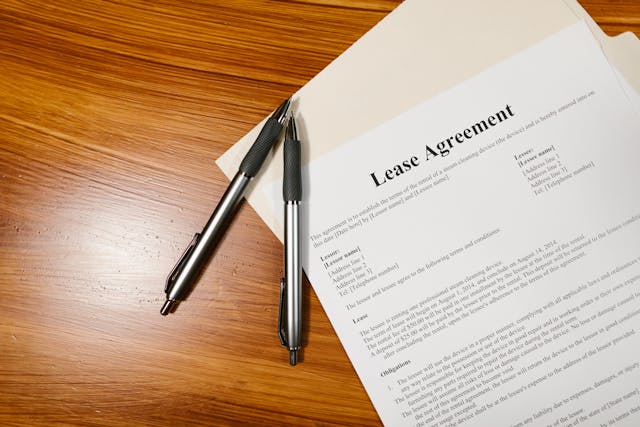
2. Not Having a Solid Lease Agreement
A lease agreement is a legally binding document that outlines the responsibilities of the landlord and the tenant. Relying on a generic lease or a verbal agreement can leave you unprotected.
Your lease should cover rent payment terms, maintenance responsibilities, late fees, pet policies, and other key conditions. Clearly outlining rules and expectations in writing can prevent misunderstandings and legal disputes down the line.
3. Setting Rent Too High or Too Low
Pricing your rental property incorrectly can lead to high vacancy rates or lost income. Charging too much can deter potential tenants, leading to longer vacancies, while pricing too low means you might not cover your costs.
Conduct market research by comparing similar properties in your area to determine a fair and competitive rent price. Adjust rent periodically based on market trends and expenses.
4. Ignoring Landlord-Tenant Laws
Landlord-tenant laws vary by state and govern areas such as security deposits, eviction procedures, and tenant rights. Ignorance of these laws can result in legal penalties and expensive court cases.
For example, failing to return a security deposit within the legal timeframe or improperly evicting a tenant can lead to fines. Staying informed about local regulations helps protect you from legal risks and ensures fair treatment of tenants.
Learn More About House In Order!
5. Delaying Maintenance and Repairs
Routine upkeep preserves your property’s value and encourages tenants to stay longer. Neglecting repairs can lead to bigger and more expensive problems. Additionally, many states require landlords to provide safe and habitable living conditions. If tenants report issues like plumbing leaks or heating problems, address them promptly to avoid legal liability and tenant dissatisfaction.
6. Not Budgeting for Vacancies and Repairs
Vacancies are inevitable, and maintenance costs can arise unexpectedly. Without a financial cushion, you may struggle to cover mortgage payments, repairs, and property upkeep. It is advisable to set aside at least three to six months' worth of rent as an emergency fund. This ensures you are financially prepared for unplanned expenses and periods without rental income.
7. Allowing Late Rent Payments Without Consequences
Tenants may occasionally experience financial difficulties, but consistently allowing late rent payments can set a bad precedent. Enforce rent payment policies as outlined in your lease agreement. Charging late fees and sending formal notices can encourage timely payments. If a tenant repeatedly fails to pay on time, consider legal action to avoid long-term financial losses.
8. Failing to Require Renter’s Insurance
Many landlords overlook renter’s insurance, but requiring tenants to have it can protect both parties. Renter’s insurance covers tenant belongings in case of theft, fire, or natural disasters. It can also provide liability coverage if a tenant causes property damage. Requiring proof of insurance before move-in ensures tenants are financially responsible for their losses.
Discover the Benefits of Partnering with Us!
9. Not Documenting Property Condition
Before a tenant moves in, conduct a thorough inspection and document the property’s condition with photos and written records. This helps prevent disputes over security deposit deductions when the tenant moves out. A move-in and move-out checklist protects you in case of disagreements.
Frequently Asked Questions (FAQs)
How Much Should I Charge for a Security Deposit?
Security deposit amounts depend on state laws, but they are typically equal to one or two months' rent. Check local regulations to ensure you are not exceeding legal limits. Security deposits should be kept in a separate account if required by law and returned within the designated timeframe after the tenant moves out.

What Are the Most Common Lease Agreement Mistakes?
Some of the most common lease agreement mistakes include vague terms, missing clauses, and failure to specify maintenance responsibilities. Other errors include not defining penalties for late rent, unclear pet policies, and not outlining procedures for lease termination.
Is Hiring a Property Management Company the Right Choice for Me?
If you’re a long-distance landlord struggling with tenant management, maintenance, or legal compliance, a property management company can be a valuable partner. They handle rent collection, tenant screening, maintenance coordination, and legal issues. While there is a cost involved, it can save time and reduce stress, making it a worthwhile investment for many landlords.
Discover Our Property Management Services!
Bottom Line
Becoming a DIY landlord requires careful planning and knowledge of property management. Avoiding common mistakes such as skipping tenant screening, neglecting maintenance, and failing to enforce lease agreements can save you time and money. By staying informed and proactive, you can manage your rental property effectively and minimize risks.
House In Order Property Management can help landlords streamline their rental operations. From tenant screening to maintenance coordination, our team ensures your property is well-managed while reducing your workload. Learn how we can support your rental business and make property management hassle-free.
