Key Takeaways:
- Meet Safety Standards to Protect Your Investment – Follow local and state codes to keep tenants safe and avoid costly fines or vacancies.
- Inspect Regularly to Catch Issues Early – Routine checks help identify problems with structure, electrical, plumbing, and HVAC before they become expensive repairs.
- Prioritize Fire, Carbon Monoxide, and Fall Safety – Install and maintain detectors, fire extinguishers, and secure flooring to ensure tenant safety and legal compliance.
At House in Order Property Management, we know that owning a rental property comes with many responsibilities, and making sure your property meets safety standards is one of the most important. A safe rental protects your tenants from harm while also shielding you from costly fines, lawsuits, and vacancies. But how can you tell if your rental property is truly safe?
Learn How We Can Help You Maximize Your Home’s Potential!
Understanding Local and State Regulations
Safety standards are set at the state and local levels, with each city or county enforcing its own building codes, zoning laws, and housing safety ordinances. These rules cover structural integrity, habitability, fire protection, and environmental health.
It is essential to understand these codes before purchasing or renting out a property. Non-compliant rentals may be deemed uninhabitable, delaying occupancy and impacting your income. Regular inspections may also be required, so staying compliant helps avoid penalties or citations.
Structural Soundness and Habitability
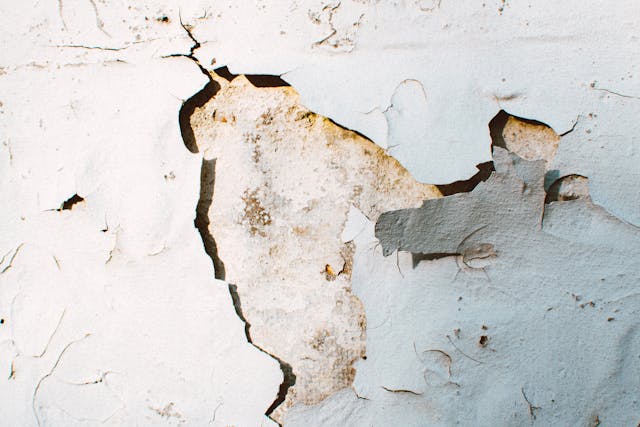
The foundation of rental safety is the property’s structural integrity, including the roof, walls, floors, and foundation. Sagging, cracks, or water intrusion signal issues that need immediate attention. Stairs, balconies, and railings must be secure and able to support weight.
Windows and doors should close and lock properly for security and weather protection. Adequate weather stripping and insulation help maintain indoor temperatures and reduce energy waste.
The property must also be free of mold, water damage, and pests to meet habitability standards. These issues are legal requirements. Unsafe or unhealthy rentals can lead to withheld rent, legal disputes, or court-ordered repairs.
Electrical and Lighting Systems
Electrical safety is essential in any rental property. All wiring must be up to code and free from hazards. Flickering lights, tripped breakers, or warm outlets may signal problems that need a licensed electrician.
Every room should have proper lighting, and common areas like stairways, basements, and hallways must be well-lit to prevent accidents. GFCIs are required in bathrooms, kitchens, and outdoor spaces to prevent electrical shocks.
Outlets and switches need secure cover plates, and extension cords should never be used as permanent wiring. Older properties may also need electrical upgrades to meet modern safety standards.
Learn More About House In Order!
Plumbing and Water Systems
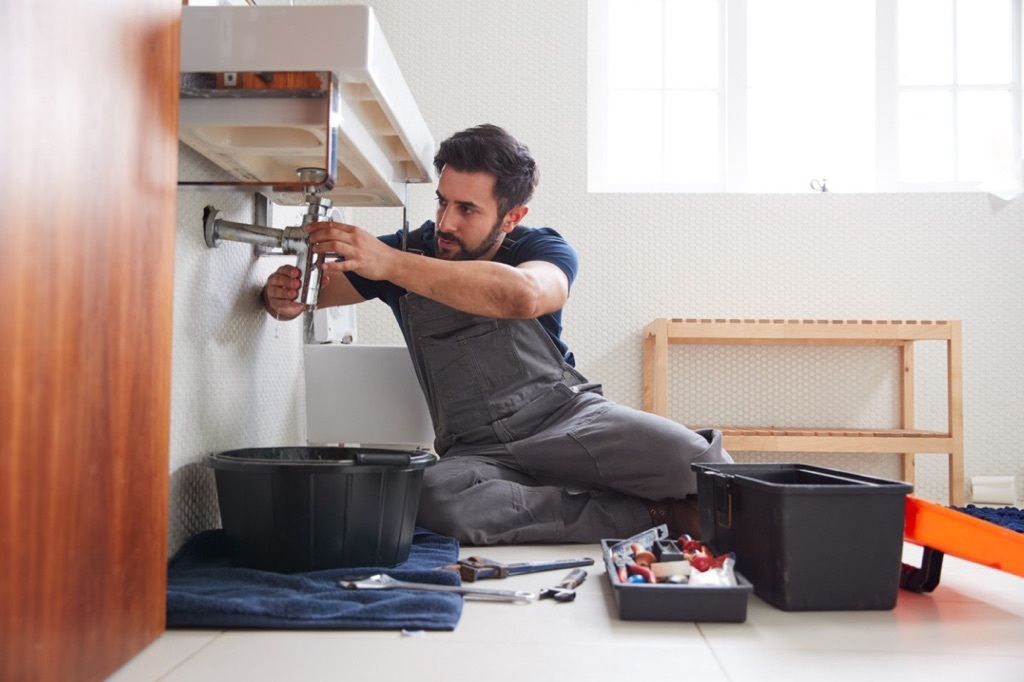
Your property’s plumbing should be fully functional and free of leaks, clogs, or water pressure issues. All sinks, toilets, bathtubs, and showers must drain properly and have both hot and cold water. Pipes should be insulated in colder climates to prevent freezing and bursting.
The water heater should be securely installed, operate efficiently, and be regularly inspected to avoid malfunctions. Tenants must have access to clean, drinkable water, and the property should be connected to a legal sewage disposal system, whether municipal or septic.
Additionally, installing anti-scald valves or temperature-limiting devices on hot water fixtures can help prevent burns and improve compliance with local safety recommendations.
Heating, Ventilation, and Air Conditioning (HVAC)
Proper heating and ventilation are essential for health and comfort. In most states, landlords are required to provide a working heating system that maintains a livable indoor temperature. The HVAC system should be professionally serviced at least once a year, ideally before the winter season.
If the rental includes air conditioning, it should function reliably and be free from refrigerant leaks or airflow blockages. Ventilation is equally important, especially in kitchens and bathrooms, to prevent moisture buildup and mold growth.
Make sure all filters are clean and replaced regularly, and that air ducts are free from obstructions and pest debris.
Discover the Benefits of Partnering with Us!
Fire and Carbon Monoxide Safety
Fire prevention and detection are vital for rental safety. Smoke detectors must be installed outside sleeping areas, in bedrooms, and on every level, including basements. They should be tested regularly and replaced every 10 years.
Carbon monoxide detectors are required in many areas, especially where fuel-burning appliances or garages exist, and must be properly maintained. Fire extinguishers should be accessible in kitchens and garages.
Emergency exits must be marked, unobstructed, and allow tenants to exit quickly and safely.
Safe Flooring and Stairways
Slips, trips, and falls are among the most common causes of injuries in rental homes. Flooring should be even, securely fastened, and free of tripping hazards. Loose carpet edges, warped floorboards, or cracked tiles can lead to tenant injury and potential liability.
Stairways should have sturdy handrails and consistent step heights. Outdoor steps must be slip-resistant and properly lit, especially during wet or icy weather.
Lead Paint and Asbestos Concerns
If your property was built before 1978, it might contain lead-based paint, which poses serious health risks, particularly to children. Landlords are legally required to disclose any known presence of lead paint and may need to have the property tested by certified professionals.
Similarly, older properties may contain asbestos in insulation, tiles, or siding. Disturbing these materials during renovation or repair can release hazardous fibers. If asbestos is present, landlords must follow state and federal guidelines for abatement or encapsulation.
Discover Our Property Management Services!
Importance of Routine Inspections
Conducting regular property inspections is one of the most effective ways to stay ahead of safety and maintenance issues. This includes move-in and move-out inspections, as well as scheduled walkthroughs during a lease term.
Documenting these inspections and addressing any identified problems promptly shows due diligence and builds trust with your residents. It also reduces long-term repair costs by catching issues early.
Final Thoughts
Meeting safety standards is more than just a legal obligation; it’s a moral responsibility and a key factor in the success of your rental business. By staying informed about local regulations, conducting regular inspections, and working with experienced professionals, you can ensure your rental meets all required safety standards.
When in doubt, work with a reputable property management company like the House In Order Property Management.
